ESL Kids Download: Learning Resources and Teaching Tips
Why alphabet worksheets matter
Alphabet worksheets that include handwriting, tracing, and colouring give pre-K children a simple, low-pressure way to practice the building blocks of writing. Research on early literacy shows that letter knowledge, phonemic awareness, and print-related practice are important foundations for later reading and writing success. Tracing and colouring also help children develop the fine motor control and hand-eye coordination they need for pencil use and letter formation.
What children practice
Tracing helps children learn how letters are formed, while handwriting practice strengthens muscle memory and control. Colouring supports pencil grip, focus, and attention to detail, which makes worksheets feel more like play than formal work. Together, these activities help children recognize letters more quickly and remember their shapes more easily.
Why it works for pre-K
At the pre-K stage, children learn best through repetition, visuals, and hands-on practice. Worksheets that combine tracing, writing, and colouring give them multiple ways to meet the same letter, which supports learning for different skill levels. Studies also suggest that fine motor and grapho-motor skills are linked with early reading and decoding development, so this kind of practice supports more than handwriting alone.
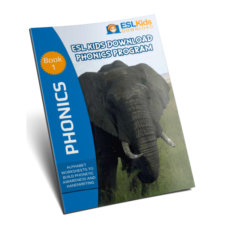
How it fits Alphabet Phonics eBook 1
That is what makes Alphabet Phonics eBook 1a useful classroom resource: it turns early letter practice into a structured activity that supports handwriting, tracing, colouring, and letter-sound learning at the same time. For teachers and parents, it offers a ready-made way to help young learners build confidence while learning the alphabet step by step. It is practical, easy to use, and aligned with the skills pre-K children need most before moving on to reading and writing.
A Smart Teaching Tool
If you are looking for an alphabet resource that does more than fill time, this kind of worksheet-based eBook gives children meaningful practice with real learning value. It supports early literacy in a way that is simple for teachers to use and enjoyable for children to complete.
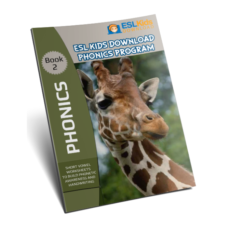
Help young learners build a strong reading foundation with our Phonics Short Vowel Sounds eBook 2. This engaging short vowel phonics resource is designed to teach children the sounds of A, E, I, O, and U in a clear, simple, and effective way.
Perfect for ESL classrooms, homeschool lessons, and early phonics practice, this phonics eBook for kids helps learners develop essential skills in phonemic awareness, word recognition, reading, spelling, and handwriting. With focused practice on short vowel sounds, children can gain confidence as they learn to sound out words and recognize common vowel patterns.
Why teachers and parents love this short vowel eBook
This short vowel sounds worksheet eBook gives young learners the repetition and support they need to master early phonics skills. Each activity is created to make learning more enjoyable while helping children strengthen their understanding of short vowel sounds.
With this resource, children can:
Practice short vowel sounds in a structured way.
Build phonics awareness and early reading skills.
Improve word recognition and spelling confidence.
Develop handwriting skills through worksheet activities.
Enjoy a practical learning tool for classroom or home use.
A helpful phonics resource for early learners
If you are looking for a short vowel sounds worksheet collection that is easy to use and effective for young ESL learners, this eBook is a great choice. It supports phonics lessons, reinforces key reading skills, and gives children the confidence they need to move forward in their English learning journey.
Long Vowel Sounds eBook 3 for Young ESL Learners
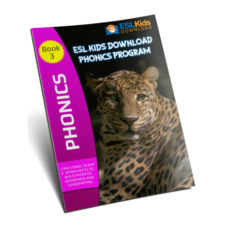
Support early reading success with our Long Vowel Sounds eBook 3, a practical long vowel phonics resource designed for young ESL learners. This helpful eBook teaches children how to recognize and pronounce long vowel sounds while building confidence in reading, spelling, and word recognition.
Ideal for ESL classrooms, homeschooling, and phonics practice, this phonics eBook for kids focuses on the long vowel sounds A, E, I, O, and U. Through clear worksheet activities, children can strengthen phonemic awareness, handwriting skills, and early literacy development in a simple and engaging way.
Why this long vowel eBook works
Long vowel sounds are an important part of learning to read English. This long vowel sounds worksheet eBook gives young learners repeated practice with vowel patterns so they can begin to decode words more easily. It is especially useful for beginners who need a structured and supportive way to improve phonics skills.
With this resource, children can:
Practice long vowel sounds with clear and focused activities.
Build phonetic awareness and stronger reading skills.
Improve word recognition and spelling confidence.
Develop handwriting skills through worksheet practice.
Use a flexible resource for classroom or home learning.
A useful phonics resource for early readers
If you are looking for a long vowel phonics worksheet collection that is simple, engaging, and effective, this eBook is a great addition to your teaching materials. It helps children learn at their own pace while reinforcing the sound patterns they need to become stronger readers.
Why Consonant Blends Matter
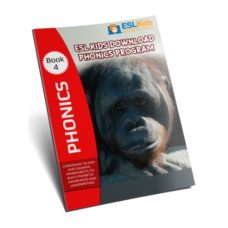
Learning consonant blends helps children move from basic letter sounds to reading full words more smoothly. When learners can recognize blends like bl, st, or cr, they decode words more accurately, read with greater confidence, and build stronger phonics skills.
What Research Shows
Research on early reading supports systematic phonics instruction because English spelling is complex and children benefit from direct teaching rather than trying to infer patterns on their own. Studies also show that extra practice in blending letter sounds can improve beginner readers’ phonological awareness, which is an important foundation for reading success.
Benefits for Young Learners
They decode unfamiliar words more easily.
They improve phonemic awareness.
They strengthen spelling and word recognition.
They build reading fluency and confidence.
Why It Helps ESL Students
For ESL learners, consonant blends can be especially helpful because these sound combinations may be new or less familiar. Regular practice gives children more exposure to English sound patterns and supports pronunciation, reading, and spelling development.
Classroom Value
A structured consonant blends resource can be a practical support tool for teachers and parents. It gives young learners repeated practice with an important phonics skill while keeping lessons focused and manageable.